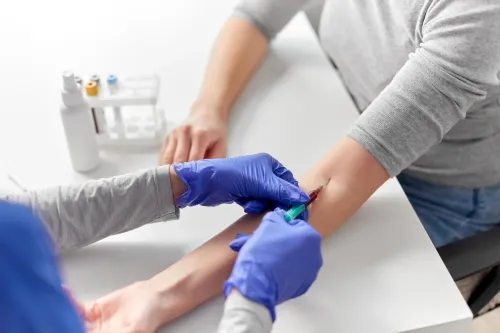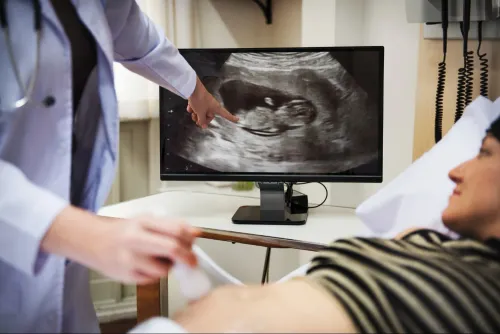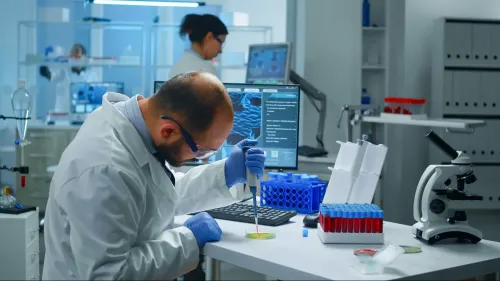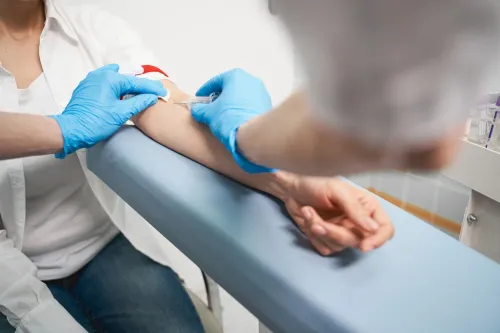
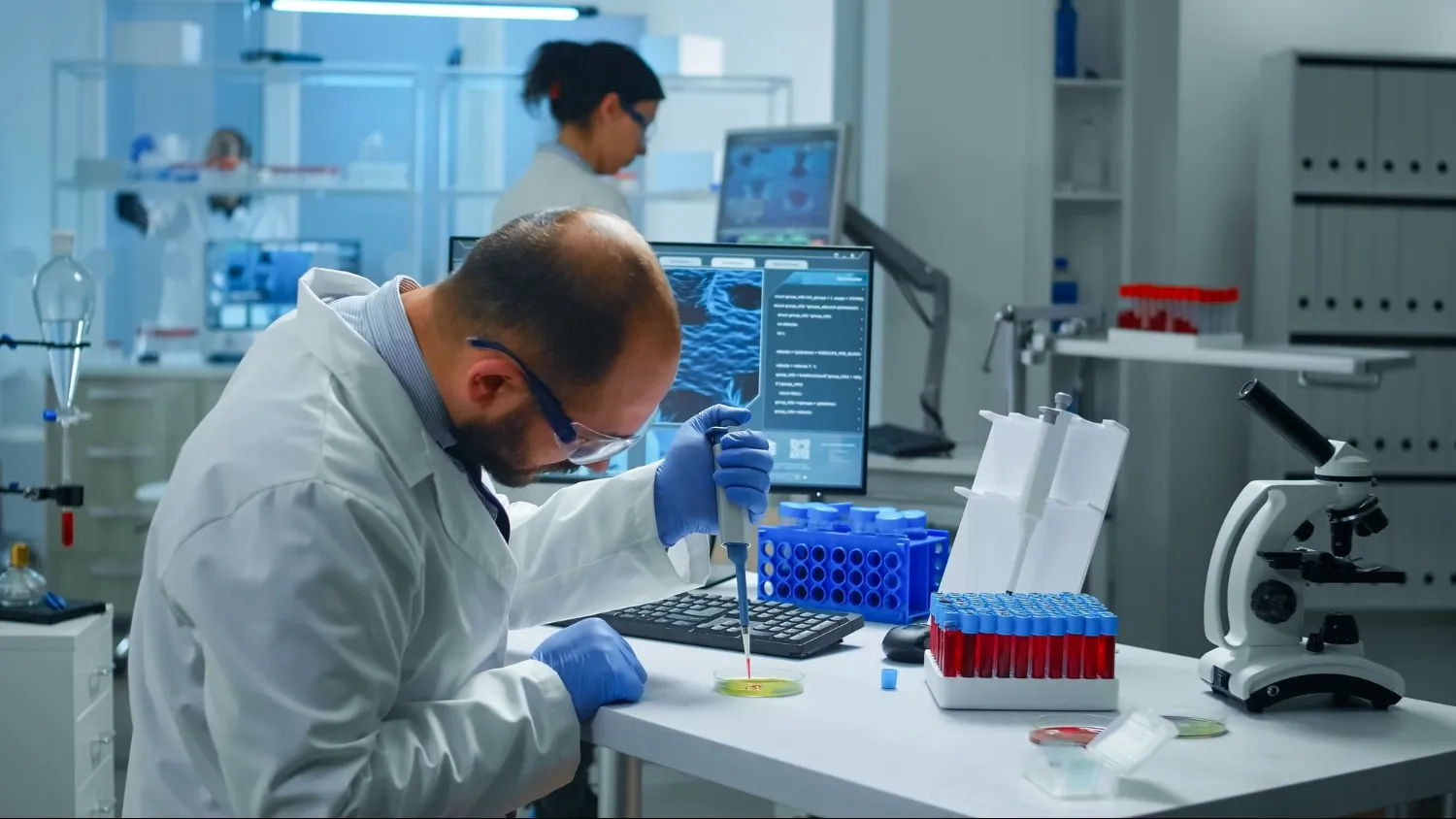
A doctor's prescription for laboratory testing can include unfamiliar abbreviations and medical terms. Understanding the basic role of pathology services can make the process less confusing, particularly when multiple investigations have been recommended at the same time.
For families and working professionals in Palam, New Delhi, nearby pathology testing can make routine investigations and follow-up testing easier to manage.
What Do Pathology Tests Examine?
Pathology testing involves analysing biological samples such as blood or urine to provide information about different aspects of health. The results may help a doctor investigate symptoms, assess risk factors, monitor an existing condition, or evaluate response to treatment.
Common categories of laboratory investigations include tests associated with:
- Complete blood counts
- Blood glucose
- Lipid or cholesterol levels
- Liver function
- Kidney function
- Thyroid function
- Urine parameters
- Nutritional markers
- Other condition-specific investigations
A laboratory report needs to be interpreted in context. A value outside the listed reference range does not automatically establish a diagnosis because age, medical history, medicines, symptoms, and other factors can influence interpretation.
Do All Blood Tests Require Fasting?
No. Fasting requirements depend on the investigation being performed.
Patients sometimes assume they should avoid food before every blood test. In other situations, someone may eat normally without realising that preparation was required. Both situations can create inconvenience.
The better approach is to check the instructions for the specific test beforehand.
When fasting has been advised, also confirm how many hours are required and whether plain water is permitted. Patients taking regular medicines should follow the instructions provided by their treating clinician rather than independently stopping medication for a test.
What Should You Carry?
A little preparation can simplify the laboratory visit. Keep the doctor's prescription available if the tests have been prescribed, and carry previous reports when serial comparison may be relevant.
Also verify that your identifying information is correct when samples are registered. Accurate details matter because diagnostic reports become part of your medical records.
Keep Reports Organised
People who undergo regular testing for long-term health monitoring can benefit from keeping reports chronologically organised. Comparing results over time may be more useful to a treating doctor than viewing an isolated result.
Residents around Palam who need prescribed investigations can consider Aadya Diagnostics Centre for locally accessible diagnostic services. Before undergoing any test, confirm preparation requirements and expected reporting details.
Good pathology testing is one part of a larger healthcare process. The investigation provides data; meaningful medical decisions come from combining that data with symptoms, clinical examination, medical history, and professional interpretation.
Keywords