
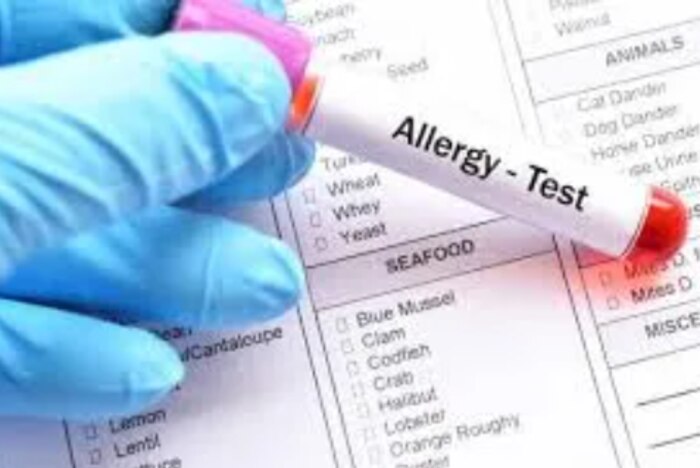
Quoted prices range from a few hundred rupees for total IgE to several thousand for skin testing or multi-allergen panels, but the cheapest quote may cover only one marker or sample collection. You will be able to compare the real cost, choose a suitable test, prepare safely and check whether a Delhi booking site can perform the test you need.
Key takeaways
- Total IgE costs about ₹300–₹1,000 in Delhi.
- Specific IgE testing costs about ₹500–₹1,500 per allergen.
- Skin-prick testing usually costs about ₹2,000–₹6,000.
- Check test preparation, reporting time and allergist oversight before booking.
What does allergy testing cost in Delhi?
A realistic allergy testing cost in Delhi ranges from about ₹300–₹1,000 for total IgE, ₹500–₹1,500 per allergen for allergen-specific IgE blood testing, ₹2,000–₹6,000 for a basic skin-prick assessment, and ₹3,000–₹12,000 or more for a multi-allergen panel. These are comparison ranges, not fixed tariffs.
| Option | Indicative price | What the quote may include |
|---|---|---|
| Total IgE | ₹300–₹1,000 | One blood marker; it does not identify the trigger |
| Specific-IgE blood test | ₹500–₹1,500 per allergen | Sample collection, laboratory analysis and a result for each named allergen |
| Skin-prick assessment | ₹2,000–₹6,000 | Multiple skin tests, observation and sometimes clinician interpretation |
| Multi-allergen panel | ₹3,000–₹12,000 or more | A stated group of allergens; confirm the exact number and names |
| Patch testing | Centre-dependent | Allergen patches, readings on scheduled days and interpretation |
A low advertised price can cover only sample collection or one marker. A higher hospital quote may include a doctor consultation, emergency readiness, testing, report review and follow-up. Ask whether these charges are separate:
- The number and names of allergens tested
- Total IgE and allergen-specific IgE
- Doctor consultation and report interpretation
- GST, home collection and repeat visits
Do not treat a food-specific IgG panel as an allergy diagnosis. IgG results can label foods you tolerate and should not determine an elimination diet; discuss conflicting results with an allergy specialist.
Which allergy test matches your symptoms and suspected trigger?
Match the method to the timing and type of reaction, not to the largest menu of allergens. Skin-prick testing suits suspected immediate reactions; patch testing suits delayed contact rashes.
| Test | What it shows | When it applies |
|---|---|---|
| Skin-prick | IgE-mediated reaction, measured by a wheal and flare in 15–20 minutes | Suspected food, pollen, dust-mite or venom allergy |
| Patch | Delayed skin reaction after patches remain in place for 48–96 hours | Eczema or rash linked to nickel, cosmetics, fragrances or hair dye |
| Total IgE | Overall IgE quantity, not the trigger | Limited supporting information; a high result does not identify an allergen |
| Allergen-specific IgE | Sensitisation to a named allergen from a blood sample | When skin testing is unsuitable or a particular allergen needs checking |
An allergy blood test in Delhi usually means allergen-specific IgE testing. A positive result proves sensitisation, not that the allergen causes your symptoms, so match it with your history. A normal total IgE does not rule out allergy.
A panel is justified when you have several credible exposures, unclear symptoms after repeated episodes, or difficulty identifying one trigger. Choose a targeted panel rather than testing dozens of unrelated allergens; every extra positive result can create unnecessary food restrictions or avoidance.
Do not use food-specific IgG panels to diagnose allergy or decide an elimination diet. They do not establish IgE-mediated food allergy.
When is an allergy blood test better than skin testing?
Choose an allergy blood test in Delhi when extensive eczema makes skin results difficult to read, you cannot safely stop antihistamines, or a previous reaction was severe enough to make deliberate skin exposure undesirable. A blood draw does not expose you to the suspected allergen.
| Option | What it can establish | Best choice when |
|---|---|---|
| Specific-IgE blood test | Detects IgE antibodies to named allergens; it shows sensitisation, not proof that exposure causes symptoms | You need testing while taking most antihistamines, or skin testing is unsuitable |
| Total-IgE blood test | Measures the overall IgE level; it cannot identify the trigger or confirm an allergy | A clinician wants supporting information, not a stand-alone diagnosis |
| Skin-prick test | Produces a wheal-and-flare response, usually within 15–20 minutes, showing possible immediate IgE sensitisation | The suspected triggers are clear and you can attend a supervised clinical site |
Neither method alone proves a food or airborne allergen causes your symptoms. The result must match the timing, exposure and symptoms in your history; a positive result can represent sensitisation without clinical allergy.
Skin testing requires antihistamines to be withheld for a medicine-specific period, so get instructions before stopping anything prescribed. Avoid food-specific IgG panels: they do not diagnose food allergy or justify elimination diets. A clinician should interpret either test and decide whether a supervised food challenge is needed.
How do you prepare for and book an allergy test near you?
Before choosing an allergy test near me, confirm that the Delhi address performs the test rather than only collecting samples. Blood may be drawn locally and sent to another laboratory; skin-prick testing requires a trained clinician on site who can assess reactions and manage an uncommon systemic reaction.
1. Ask whether you need a referral, prescription or consultation before testing. Confirm whether a doctor will interpret the result or whether the report is issued without clinical review.
2. List every medicine you take. Antihistamines can suppress skin-prick results, and you must not stop them without medical advice. Ask whether steroids, antidepressants or other medicines affect the planned test.
3. Confirm fasting instructions. Specific-IgE blood testing usually does not require fasting, but follow the centre’s local instructions if it requests fasting or a particular collection window.
4. Ask what specimen is required: venous blood, skin exposure or another sample. Confirm the allergens included, especially before paying for a large panel; food-specific IgG panels are not validated for diagnosing food allergy.
5. Book a time rather than assuming a walk-in slot. Skin-prick testing usually needs about 15–20 minutes for the wheal-and-flare reading, plus consultation time.
6. Request the expected report time, delivery method and follow-up process. Ask whether an abnormal result triggers clinician contact or only appears in an online report.
If you plan to book allergy test in delhi, ask whether the laboratory’s reported accreditation scope covers your specific assay, not merely the facility’s name. Confirm walk-in availability anyway; sample collection and skin testing follow different scheduling rules.
How do you choose a reliable allergy testing centre in Delhi?
A low quote does not prove a centre is reliable. Confirm that the Delhi address is the testing site, not only a sample-collection point; blood may be sent elsewhere, while skin-prick testing requires an appropriately trained clinician on site.
Check these details before you book allergy test in Delhi:
| Check | What to verify | Why it matters |
|---|---|---|
| Laboratory status | Search the laboratory in the current public NABL directory and match the Delhi address | NABL accreditation applies to named tests within a stated scope, not automatically to every service |
| Test method | Confirm whether you are receiving skin-prick testing, total IgE, allergen-specific IgE, or patch testing | “Allergy testing” is not one standard test |
| Panel contents | Request the number and names of allergens; reject unexplained large panels | A positive blood result shows sensitisation, not proof that the allergen causes your symptoms |
| Interpretation | Ask which doctor will relate results to your history and symptoms | A report without clinical interpretation can lead to unnecessary avoidance diets |
| Follow-up | Confirm whether consultation, result explanation, treatment advice and repeat review are included | A cheap test can leave you with numbers but no decision |
Avoid food-specific IgG panels for diagnosing food allergy or choosing an elimination diet; major allergy organisations do not validate them for that purpose. Ask Aadya Diagnostics Centre who interprets the report and what follow-up is available before paying.
Related service
ALLERGY TESTING At Aadya Diagnostics Centre, our Allergy Testing service provides a precise, scientific approach to identifying the specific triggers behind... View service → |
Frequently asked questions
What does allergy testing cost in Delhi?
Typical comparison ranges are ₹300–₹1,000 for total IgE, ₹500–₹1,500 per allergen for specific IgE blood testing, ₹2,000–₹6,000 for basic skin-prick testing and ₹3,000–₹12,000 or more for multi-allergen panels. Confirm the final tariff, consultation fee and report charges before booking.
Which allergy test matches my symptoms and suspected trigger?
Choose testing based on the suspected trigger and symptoms. Specific IgE blood testing suits a defined food, dust, pollen, insect or animal trigger. Skin-prick testing evaluates several suspected immediate allergies at once. Patch testing is used for delayed contact reactions such as rashes from cosmetics, metals or adhesives.
When is an allergy blood test better than skin testing?
An allergy blood test is useful when antihistamines cannot be stopped, eczema makes skin testing difficult, or you need testing for a specific suspected allergen. Discuss medication and medical history with the ordering clinician before testing.
How do you prepare for and book an allergy test near you?
Ask the centre which medicines to pause, whether fasting is required, which allergens the panel includes and when results will be ready. Do not stop prescribed medicines without clinical advice. Share your symptom timeline and suspected triggers when booking.
How do you choose a reliable allergy testing centre in Delhi?
Compare the named test method, allergen list, sample requirements, report format, turnaround time, clinician review and itemised price. Confirm that the centre can collect the sample safely and explain results in relation to your symptoms.
Keywords