A COVID test is most useful when its timing and purpose match your symptoms, exposure, treatment decision, or official requirement. You will be able to choose between RT-PCR, rapid antigen, and other molecular tests, understand when a negative result needs follow-up, and prepare for sample collection.
Key takeaways
- Test promptly for new COVID-compatible symptoms.
- After exposure, test around day five or when symptoms begin.
- Choose RT-PCR when accurate molecular detection matters.
- Seek urgent care for breathing difficulty or worsening symptoms.
Who should consider a COVID RT-PCR test in Delhi?
New COVID-compatible symptoms are the clearest reason to seek testing. These include fever, cough, sore throat, shortness of breath, loss of taste or smell, and unusual fatigue, especially when the result could change treatment, isolation, admission, or contact precautions.
Consider a COVID RT-PCR test in Delhi if you:
- Have new symptoms, or have had close contact with someone who tested positive.
- Share a home with an older adult, pregnant person, or someone with a condition that increases the risk of severe COVID-19; confirming infection can guide precautions.
- Need a result for a workplace, hospital, nursing facility, planned procedure, admission, airline, or destination requirement.
- Have a clinician who needs confirmation before prescribing treatment, arranging admission, or making infection-control decisions.
- Have an exposure without symptoms and need testing under current clinical or public-health guidance.
A negative result soon after exposure can miss an infection. Your clinician may recommend testing again when suspicion remains high, rather than treating one early negative as conclusive.
A required test is not automatically medically necessary, so confirm the current rule with the employer, hospital, airline, embassy, or government portal before booking an rt pcr test in delhi.
If you are severely breathless, confused, unusually drowsy, or have bluish lips or face, seek urgent medical care instead of waiting for an appointment or report.
When should you test after exposure or symptom onset?
Testing on the day of exposure can miss infection because SARS-CoV-2 may not yet have multiplied enough in the nose or throat for the swab to detect its RNA. A negative result that early does not clear you; follow the testing date advised by a clinician or current public-health protocol.
Use the timing that matches your situation:
- After exposure without symptoms: Do not treat an immediate negative RT-PCR as proof that infection did not occur. Test on the date recommended for that exposure and follow instructions about repeat testing or precautions.
- After symptoms begin: Test promptly once symptoms appear. If the result is negative but symptoms or exposure history keep clinical suspicion high, a clinician may recommend another molecular test after an interval rather than accepting the first result as final.
- After a negative result with ongoing concern: Ask the clinician whether to repeat testing. The decision depends on when you tested, the specimen collected, and how strongly your symptoms suggest COVID-19.
A positive RT-PCR means SARS-CoV-2 genetic material was detected in the respiratory specimen. It does not automatically prove that you remain infectious: PCR can detect residual RNA after the period when you can spread the virus has ended.
Routine repeat PCR is therefore not a reliable “test of cure”; use current local rules and clinical advice for isolation, work, admission, or travel decisions, including for a COVID RT-PCR test in Delhi.
RT-PCR, rapid antigen, antibody, or another molecular test?
A rapid antigen test is useful when you need a quick answer about a current infection, but a negative result does not rule out COVID-19. RT-PCR and other molecular tests detect SARS-CoV-2 genetic material in a respiratory specimen and are more sensitive, especially early in illness or when viral levels are low.
| Option | Purpose and timing | Speed and current-infection value |
|---|---|---|
| Rapid antigen | Detects viral proteins during active infection; works best near symptom onset | Usually minutes; less sensitive than molecular testing, so a negative may need confirmation |
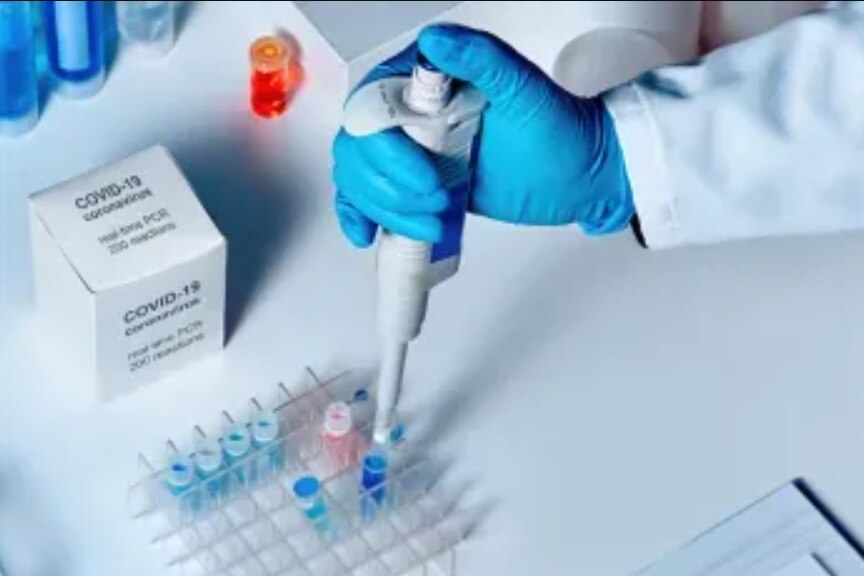
| RT-PCR | Detects viral RNA in a nasal or throat specimen; used for diagnosis and higher-stakes decisions | Often hours to a day; sensitive for current infection, but residual RNA can keep it positive after infectiousness ends |
| Antibody | Detects the immune response after infection or vaccination, not the virus itself | Not a test for a current infection; timing and vaccination affect interpretation |
| Other molecular NAAT | Includes cartridge-based or isothermal assays that amplify viral genetic material | Often faster than laboratory RT-PCR; specimen type, performance and acceptance vary |
Use this decision path:
- Choose rapid antigen as a practical first step when symptoms have begun and you need same-day information. Treat a negative result cautiously if symptoms continue.
- Choose RT-PCR when antigen testing is negative but suspicion remains, or when a hospital, clinician, employer, airline or destination requires molecular confirmation.
- Ask what “molecular test in Delhi” means before booking: it may be a cartridge or isothermal NAAT rather than RT-PCR, with different turnaround times and acceptance rules.
What should you check before booking testing near you?
Before booking an “rt pcr testing near me” service, confirm these details in writing:
1. Ask whether the sample is collected from the nose, throat, or both. Confirm that the booked test is RT-PCR, not another molecular test, because hospitals, airlines, employers, and destinations may accept different formats.
2. Ask for the collection-to-report time. It must be measured from swab collection, not payment or appointment time. Confirm whether you receive the report by email, WhatsApp, patient portal, or printed copy.
3. Check that the laboratory is authorised for your purpose. A hospital admission, international journey, workplace rule, or legal document may require a report from an approved laboratory or a specified format.
4. Show the receiving hospital, airline, employer, or destination the sample report requirements before collection. Check the patient name, passport number, QR code, timestamp, and laboratory details they demand.
5. Ask about preparation. Follow the facility’s instructions about eating, drinking, brushing your teeth, mouthwash, smoking, and nasal sprays or drops; these rules differ by collection method.
6. Expect a brief swab. A nasal swab can cause pressure, watering eyes, or an urge to sneeze, but collection itself usually takes only a few minutes.
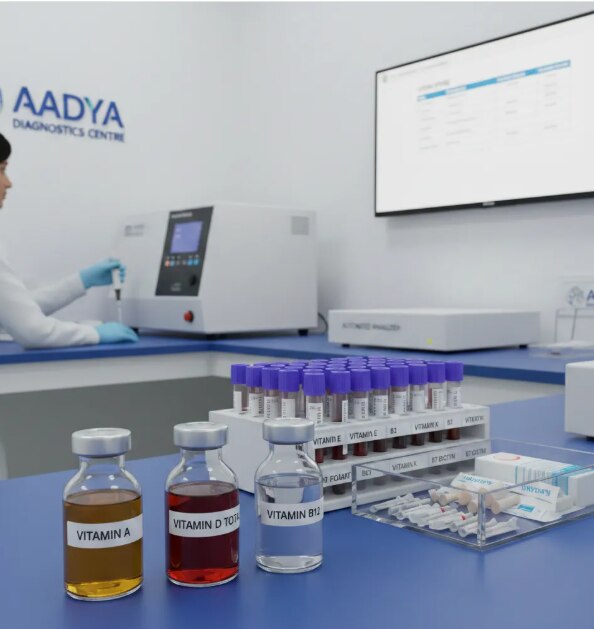
Aadya Diagnostics Centre can help you verify the specimen, preparation rules, report timing, delivery method, and acceptance requirements before you book.
Related service
RT PCR TEST At Aadya Diagnostics Centre, our RT-PCR Test (Real-Time Reverse Transcriptase Polymerase Chain Reaction) represents the gold standard in molecular... View service → |
When should you seek medical care instead of waiting for a test?
A test appointment is reasonable when symptoms are mild and stable, but worsening illness needs medical advice rather than a routine booking. Contact a clinician promptly if fever, cough, breathlessness, fatigue, or other symptoms are getting worse, or if a negative result does not match how ill you feel.
Seek same-day advice if you are older, pregnant, immunocompromised, or living with diabetes, heart disease, lung disease, kidney disease, or another serious condition. Early assessment matters because some COVID-19 treatments work best within a limited window after symptoms begin. A clinician can decide whether testing, treatment, examination, or monitoring is appropriate.
Get urgent medical care immediately for:
- Severe breathlessness, trouble speaking because of shortness of breath, or rapidly worsening breathing
- Confusion, difficulty waking, or unusual drowsiness
- Bluish, grey, or pale lips, face, or fingertips
- Chest pain, fainting, or a sudden inability to stay safely awake
Do not wait at home for an RT-PCR appointment or report when these warning signs appear. Call emergency services or go to the nearest emergency department.
If you had a significant exposure or symptoms but feel stable, a negative molecular result can still be too early; ask a clinician whether repeat testing or continued precautions are needed.
Frequently asked questions
Who should consider a COVID RT-PCR test in Delhi?
Consider testing when you develop fever, cough, sore throat, shortness of breath, loss of taste or smell, or unusual fatigue, especially if the result could affect treatment, isolation, hospital admission, or contact precautions.
When should you test after exposure or symptom onset?
Test when symptoms begin. After an exposure without symptoms, testing around day five gives a more useful result; follow local medical advice if you need earlier testing.
How does RT-PCR compare with rapid antigen and antibody tests?
RT-PCR and other molecular tests detect viral genetic material and are more useful for confirming an active infection. Rapid antigen tests produce results faster but can miss early infection. Antibody tests show an immune response and do not diagnose a current infection.
What should you check before booking RT-PCR testing near you?
Confirm the centre offers a COVID RT-PCR test, ask about sample collection and report timing, verify the report includes your name and test result, and follow its instructions for identification and preparation.
When should you seek medical care instead of waiting for a test?
Seek urgent medical care for trouble breathing, chest pain or pressure, new confusion, difficulty staying awake, bluish or grey lips or face, or rapidly worsening symptoms.
Keywords